


IOP correction for Central Corneal Thickness. Central Corneal Thickness (μm) Correction Value (mmHg) 410. +10. 415. +10. 420. +9.
Corneal pachymetry by ben okeeffe | PPT
A handy offshoot of the IOP correction page is the IOP range that the program calculates. This range takes the form of a conversion table of “true” IOPs for a patient’s given central corneal thickness for a range of measured IOPs, from 5 mmHg to 40 mmHg. It can be saved or printed out and kept in the patient’s chart.

Source Image: ebay.com
Download Image
Oct 4, 2022Corneal thickness as measured by pachymetry is important in the eye care field for several reasons. Pachymetry can tell healthcare providers if the cornea is swollen. Medical conditions such as Fuch’s Dystrophy can increase fluid in the cornea and cause an increase in overall thickness. Even wearing contact lenses can sometimes cause
Source Image: semanticscholar.org
Download Image
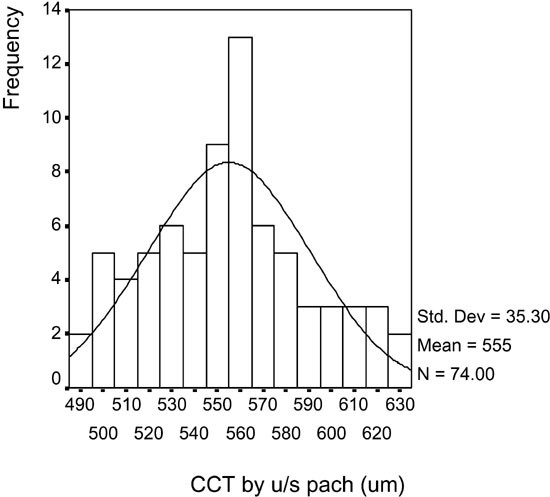
Volume & Weight Metric Conversions – Math Poster | Pharmacy technician study, Nursing math, Nursing school tips The Pachmate™ gives a mean value of CCT taken from 25 separate measurements. All measurements were taken by three senior ophthalmologists and both the tonometry and pachymetry were only taken once in each subject. The IOP adjustment was made according to the manufacturer’s logarithm which is based on Ehlers et al. , see Table Table1. 1. All
Source Image: nature.com
Download Image
Pachymetry Iop Conversion Chart
The Pachmate™ gives a mean value of CCT taken from 25 separate measurements. All measurements were taken by three senior ophthalmologists and both the tonometry and pachymetry were only taken once in each subject. The IOP adjustment was made according to the manufacturer’s logarithm which is based on Ehlers et al. , see Table Table1. 1. All Corneal pachymetry is the measurement of corneal thickness. … based on the 6 primary risk factors identified by the OHTS study: Age, Race, IOP, Patter Standard Deviation, Cup to Disk ratio, and CCT. … Weinreb RN, Sample PA, et al. “Validation of a predictive model to estimate the risk of Conversion from ocular hypertension to glaucoma
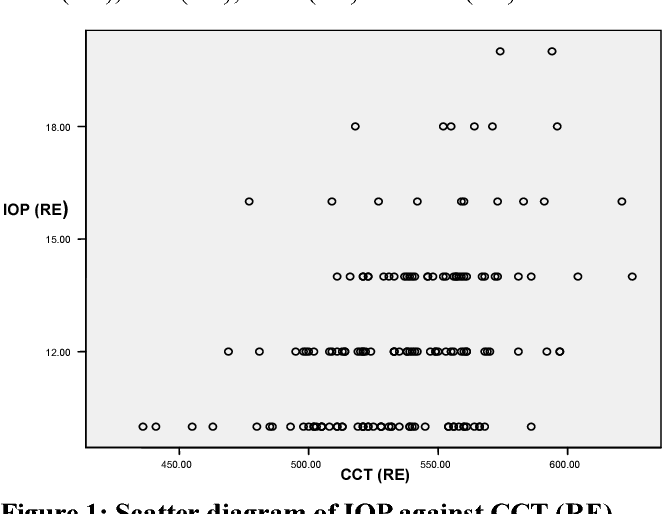
Correlational study of central corneal thickness measurements on Hong Kong Chinese using optical coherence tomography, Orbscan and ultrasound pachymetry | Eye
Evaluation of corneal thickness aids in determining risk of developing glaucoma and interpreting unexpected IOP measurement results. Increased corneal thickness can produce falsely high IOP readings, and decreased corneal thickness can produce falsely low IOP readings.” Another significant development demonstrating the weight ophthalmology is Internet Scientific Publications

Source Image: ispub.com
Download Image
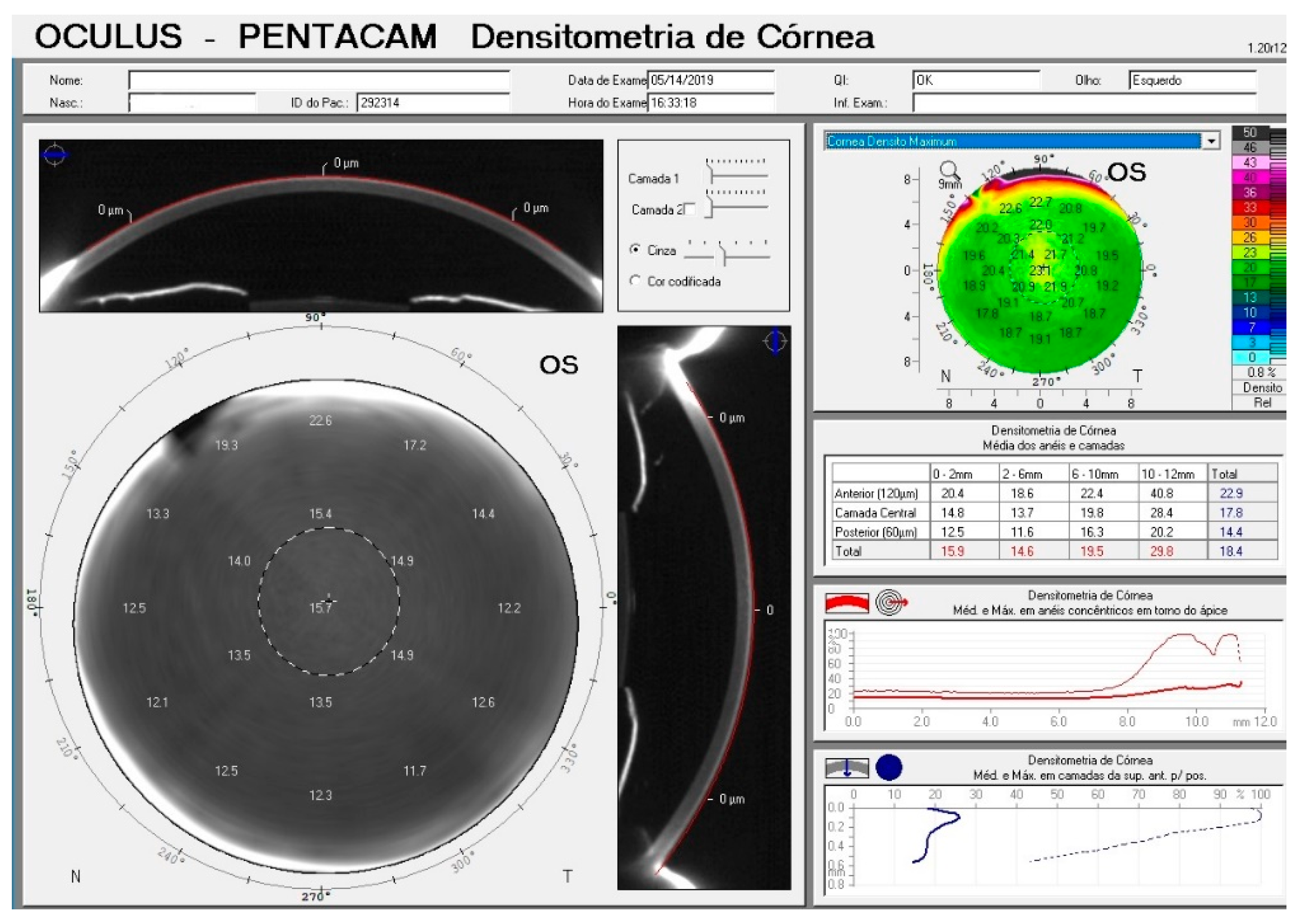
Vision | Free Full-Text | The Effect of Corneal Thickness, Densitometry and Curvature on Intraocular Pressure Measurements Obtained by Applanation, Rebound and Dynamic Contour Tonometry Evaluation of corneal thickness aids in determining risk of developing glaucoma and interpreting unexpected IOP measurement results. Increased corneal thickness can produce falsely high IOP readings, and decreased corneal thickness can produce falsely low IOP readings.” Another significant development demonstrating the weight ophthalmology is
Source Image: mdpi.com
Download Image
Corneal pachymetry by ben okeeffe | PPT IOP correction for Central Corneal Thickness. Central Corneal Thickness (μm) Correction Value (mmHg) 410. +10. 415. +10. 420. +9.
Source Image: slideshare.net
Download Image
Volume & Weight Metric Conversions – Math Poster | Pharmacy technician study, Nursing math, Nursing school tips Oct 4, 2022Corneal thickness as measured by pachymetry is important in the eye care field for several reasons. Pachymetry can tell healthcare providers if the cornea is swollen. Medical conditions such as Fuch’s Dystrophy can increase fluid in the cornea and cause an increase in overall thickness. Even wearing contact lenses can sometimes cause

Source Image: ar.pinterest.com
Download Image
Case Study On Glaucoma | PDF | Glaucoma | Visual System Then you’ll have the adjusted IOP. This pachymetry conversion chart is also available in our android app: CataracTools. Several pachymetry measuring methods are available, just remember to use the complete value, including the epitelium and endotelium. In case of imprecise measurements, repeat 3 times and use the average value.

Source Image: scribd.com
Download Image
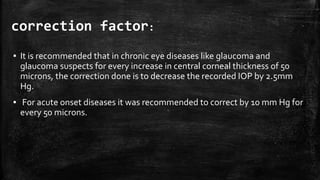
Pachymetry | PPT The Pachmate™ gives a mean value of CCT taken from 25 separate measurements. All measurements were taken by three senior ophthalmologists and both the tonometry and pachymetry were only taken once in each subject. The IOP adjustment was made according to the manufacturer’s logarithm which is based on Ehlers et al. , see Table Table1. 1. All
Source Image: slideshare.net
Download Image
Schiotz scale conversion table | Download Table Corneal pachymetry is the measurement of corneal thickness. … based on the 6 primary risk factors identified by the OHTS study: Age, Race, IOP, Patter Standard Deviation, Cup to Disk ratio, and CCT. … Weinreb RN, Sample PA, et al. “Validation of a predictive model to estimate the risk of Conversion from ocular hypertension to glaucoma

Source Image: researchgate.net
Download Image
Vision | Free Full-Text | The Effect of Corneal Thickness, Densitometry and Curvature on Intraocular Pressure Measurements Obtained by Applanation, Rebound and Dynamic Contour Tonometry
Schiotz scale conversion table | Download Table A handy offshoot of the IOP correction page is the IOP range that the program calculates. This range takes the form of a conversion table of “true” IOPs for a patient’s given central corneal thickness for a range of measured IOPs, from 5 mmHg to 40 mmHg. It can be saved or printed out and kept in the patient’s chart.
Volume & Weight Metric Conversions – Math Poster | Pharmacy technician study, Nursing math, Nursing school tips Pachymetry | PPT Then you’ll have the adjusted IOP. This pachymetry conversion chart is also available in our android app: CataracTools. Several pachymetry measuring methods are available, just remember to use the complete value, including the epitelium and endotelium. In case of imprecise measurements, repeat 3 times and use the average value.

